Experienced Water Softener Installation: Refine Your Water Quality Today
Expert water softener setup plays an vital role in enhancing water quality in homes. Hard water can result in various issues, affecting everything from plumbing to personal care. Professionals guarantee that the setup process is smooth and compliant with local regulations. They also help prevent common mistakes that can arise during setup. Understanding the advantages of this service can lead to significant improvements in daily life, prompting further examination into its advantages and processes.
How Does Hard Water Affect You and What Makes It Hard?
Hard water, recognized by an abundance of minerals—primarily calcium and magnesium—can greatly affect daily living. Many households without realizing it encounter its effects, which may appear in various ways. Having these minerals present can lead to limescale formation in pipes and appliances, which reduces their effectiveness and lifespan. Moreover, hard water can pose difficulties in cleaning; soap might not lather well, leaving deposits on dishes and laundry.
Furthermore, hard water can affect the taste of tap water, making it less appealing. In some situations, it may result in increased power costs due to excessive strain on water heaters and other appliances. Understanding hard water's implications allows homeowners to evaluate approaches that could enhance their water quality and overall satisfaction in daily activities.
The Positive Effects of Water Conditioning for Your Home
Water softening delivers substantial benefits for households by increasing the lifespan of equipment and improving cleaning performance. Softened water decreases mineral buildup, which can cause costly repairs and replacements. Also, it allows cleaning products to perform better, resulting in cleaner surfaces and textiles.
Enhanced Appliance Longevity
Installing a softener unit can greatly extend the useful life of domestic appliances. Hard water contains compounds like calcium and magnesium, which cause scale buildup in appliances such as dishwashers, water heaters, and washing machines. Over time, this buildup can result in reduced effectiveness and ultimately cause breakdowns. By softening the water, homeowners can markedly lessen the damage on these crucial devices. Softened water permits appliances to run more efficiently, lowering energy consumption and cutting maintenance costs. Consequently, the investment in a softening device not only increases the life of appliances but also improves their performance. Homeowners can look forward to fewer repairs and replacements, making water softening a effective choice for maintaining household efficiency.
Advanced Housekeeping Effectiveness
A water softener considerably increases cleaning efficiency in your residence. Mineral-rich water includes minerals like calcium and magnesium that can impede soap's effectiveness, causing dingy laundry, spotted dishes, and soap residue. By reducing these minerals, softening systems enhance lathering ability and soap effectiveness, simplifying cleaning tasks and improving results.
When using soft water, laundry appears fresher and feels softer, while dishes turn out immaculately clean without any residue. In addition, surfaces in kitchens and bathrooms need less frequent upkeep, as mineral deposits are minimized. This not only saves time but also decreases reliance on harsh cleaning products. Overall, a water softener considerably boosts the quality of cleaning, encouraging a more efficient and enjoyable home maintenance experience.
Why You Should Rely on Experts for Setup
While some occupants may deliberate a DIY approach to water softener installation, relying upon professionals secures a higher level of expertise and competency. Practitioners own the specialized knowledge and tenure required to assess targeted home plumbing systems, safeguarding that the water softener is accurately configured. They are familiar with assorted models and can counsel the perfect match for personal needs, avoiding standard challenges that may develop during configuration.
Additionally, skilled professionals comprehend local codes and regulations, guaranteeing adherence and limiting the risk of problems ahead. Their expertise equips them to resolve potential issues without hesitation, bestowing assurance that the system will operate successfully. Furthermore, numerous professional installers present warranties on their work, providing supplementary protection for homeowners. At the end of the day, selecting professional installation not only optimizes the system's performance but also saves time and resources, establishing it a worthwhile choice in improving water quality.
Tips for Selecting the Ideal Water Softener
Picking the correct water softener requires a careful assessment of water hardness, which can greatly influence the effectiveness of the system. Moreover, learning about the various kinds of softeners on the market and their features is vital for making an informed decision. Budget considerations also serve an important function in selecting a system that fulfills both needs and financial limits.
Water Hardness Assessment
Determining water hardness is a critical step in selecting the appropriate water softener. Water hardness is mainly measured in grains per gallon (GPG) or parts per million (PPM) and shows the concentration of calcium and magnesium minerals. Homeowners can evaluate their water hardness with test kits found at hardware stores or by submitting samples to a lab for analysis. Knowing the hardness level assists in determining the right softener capacity and type needed for successful treatment. Generally, water is classified as soft (0-3 GPG), moderately hard (4-7 GPG), hard (8-12 GPG), or very hard (over 12 GPG). Accurate evaluation ensures proper softening, enhancing water quality and extending the lifespan of plumbing and appliances.
Complete Softener Varieties Breakdown
Finding the appropriate water softener requires an insight of the different types available in the sector. The most frequent types involve ion exchange, salt-free, and reverse osmosis systems. Ion exchange softeners interchange hard minerals with sodium ions, considerably reducing hardness. Salt-free systems, by contrast, treat water without conventional salt, making them suitable for those seeking a more eco-friendly option. Reverse osmosis units purge impurities, including hardness minerals, but are commonly used in conjunction with other systems for robust water treatment. Each type has its pros and downsides, making it critical for consumers to appraise their specific water quality needs and preferences before making a decision. Understanding these options will facilitate informed choices for ideal water quality.
Financial Considerations Explained
Financial factors are essential in the selection journey for water softener placement. Homeowners must examine both initial costs and long-term expenses. Budget-friendly units may offer cheaper initial investment, but they can produce greater upkeep and mineral costs over time. On the other hand, top-tier units typically provide sophisticated capabilities and superior performance, possibly reducing ongoing costs. Moreover, service charges can fluctuate considerably; many homeowners may select for DIY installation to economize, while some prefer professional service for perfect execution. Grasping the total cost of ownership, including fixes and protection plans, is crucial. At the end of the day, matching the choice of water softener with both near-term budget parameters and future money objectives guarantees a more pleasing investment.
Step-by-Step Guide to Water Treatment System Installation
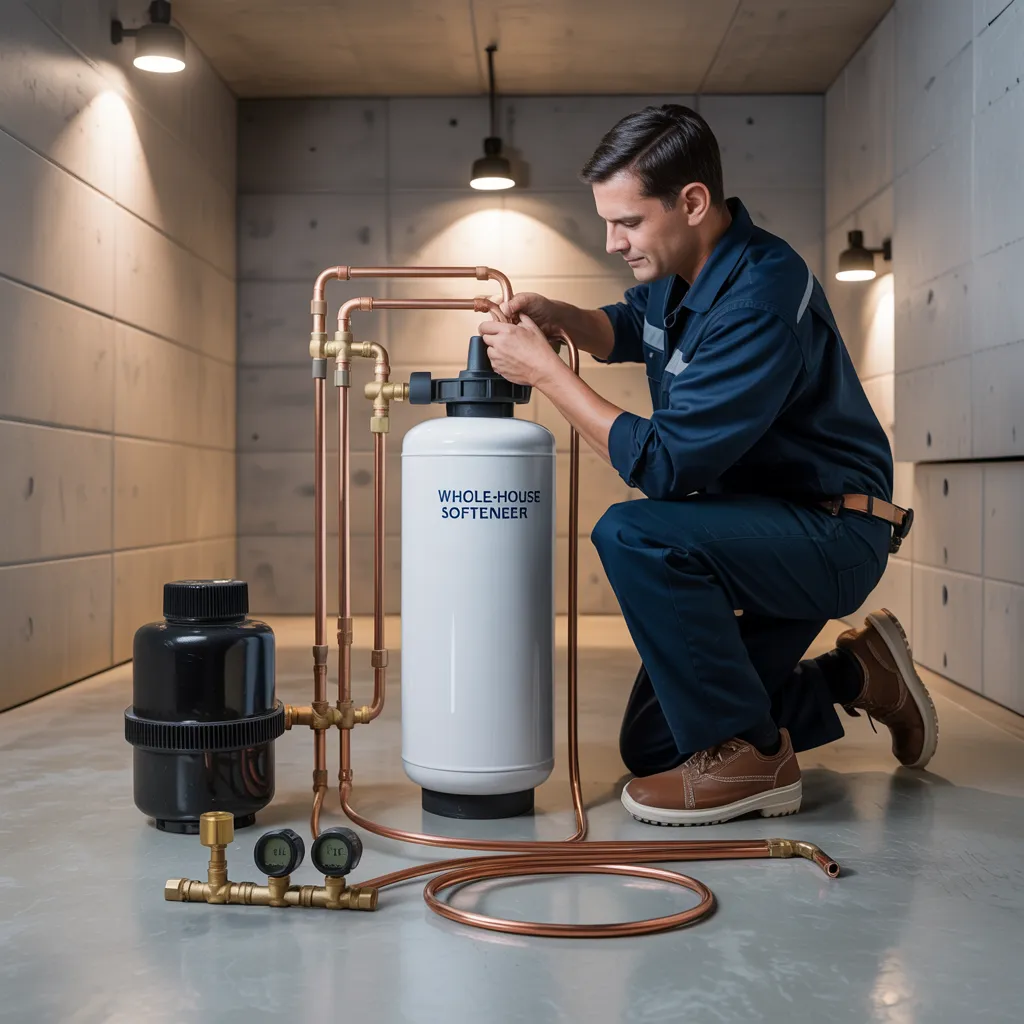
Putting in a water softener can greatly enhance the read the facts quality of water in a home. The installation process starts with choosing a appropriate location, typically near the main water supply line. Next, the homeowner should turn off the water supply and drain any remaining water from the pipes. After preparing the area, the water softener is positioned, ensuring it is level.
The initial step calls for fastening the incoming and outgoing lines to the treatment device. This could involve cutting through the installed pipes and fitting it with matching connectors. Once the connections are firm, the salt container is charged with sodium chloride, and the system is energized. Ultimately, the supply line is switched back on, granting the homeowner to test for drips and confirm proper functioning. Implementing these actions will generate effective softening system installation, creating the stage for enhanced water quality all around the house.
Maintaining Your Water Softener for Extended-Term Benefits
Keeping a water softener operating efficiently and extending its lifespan boosts household water quality. Consistent upkeep involves several key responsibilities, with assessing salt levels in the brine tank. It is critical to add salt properly to achieve ideal regeneration cycles. Moreover, purifying the resin bed on an annual basis helps removing impurities that may gather over time, maintaining the system's performance.
Checking the system for leaks and confirming proper water flow is also vital. A detailed inspection of the bypass valve, inlet, and outlet connections can prevent possible problems. Furthermore, regular testing of water hardness confirms that the softener is functioning as intended.
For those using a dual-tank system, switching tanks during regeneration can improve performance. By following these maintenance practices, homeowners can extend the lifespan of their water softeners, guaranteeing steady operation and improved water quality for the long term.
Frequently Sought Information Questions
How long Does a Water Softener Installation Typically Take?
A water softener placement usually requires two to four hours, depending on the complexity of the system and the plumbing involved. Factors such as location and your existing setup can impact the overall duration.
How Can You Identify the Signals of a Non-Functioning Water Softener?
A malfunctioning water softener displays symptoms such as salty taste in water, reduced lathering of soap, scale buildup on fixtures, frequent regeneration cycles, and an increase in water hardness levels. These clues demonstrate core problems deserving focus.
Is It possible to set up a Water Softener on Your Own?
Yes, a water softener may be self-installed by you, if the individual possesses basic plumbing skills and follows the manufacturer's instructions. However, professional installation may assure peak performance and adherence to local codes.
What Represent the Ongoing Expenses of a Water Softener?
Maintenance costs for a water softener generally cost between $50 to $150 per year. This covers salt replacement, occasional repairs, and professional servicing, ensuring peak efficiency and longevity of the system for effective water treatment.
Do Water Conditioners Change How Water Tastes?
Water softeners typically do not markedly impact the taste of water. However, some people may observe a difference due to the elimination of minerals like calcium and magnesium, resulting in a softer, less mineral-rich flavor profile.